Runtime Isolation Depth Benchmarks for Agent Execution Platforms Below the Syscall Layer
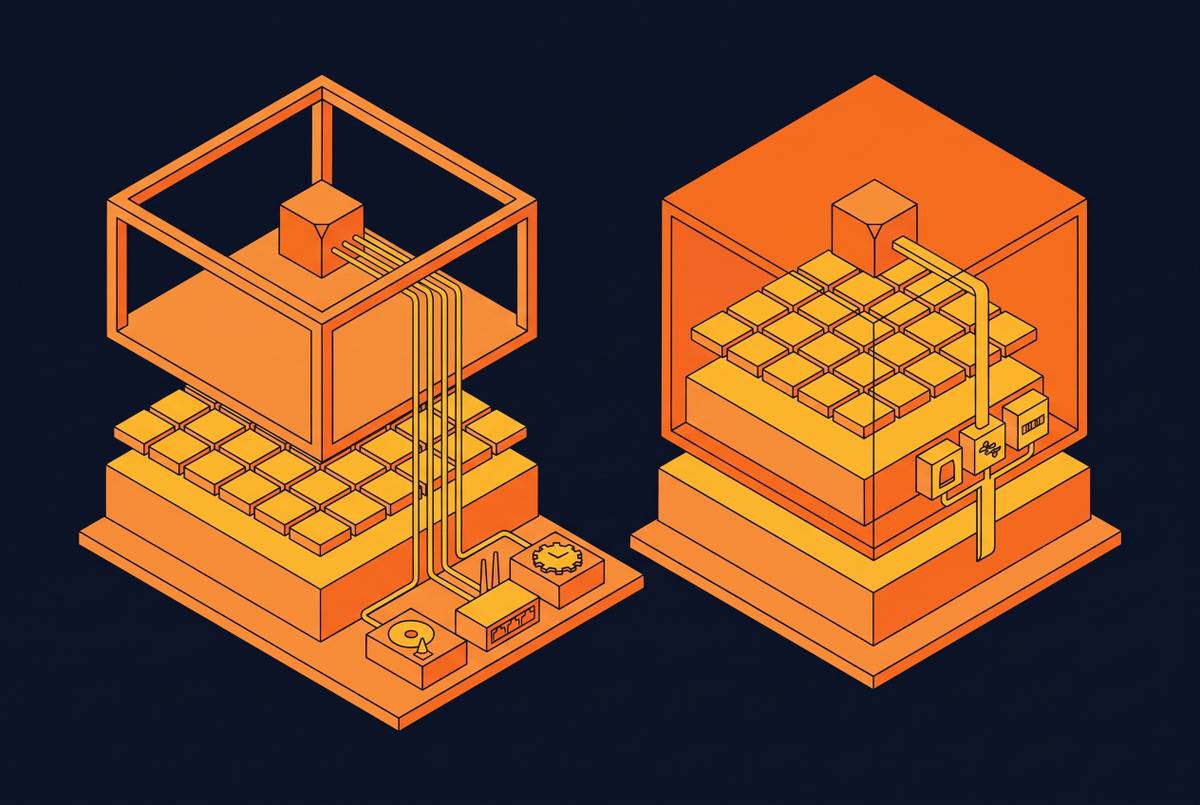
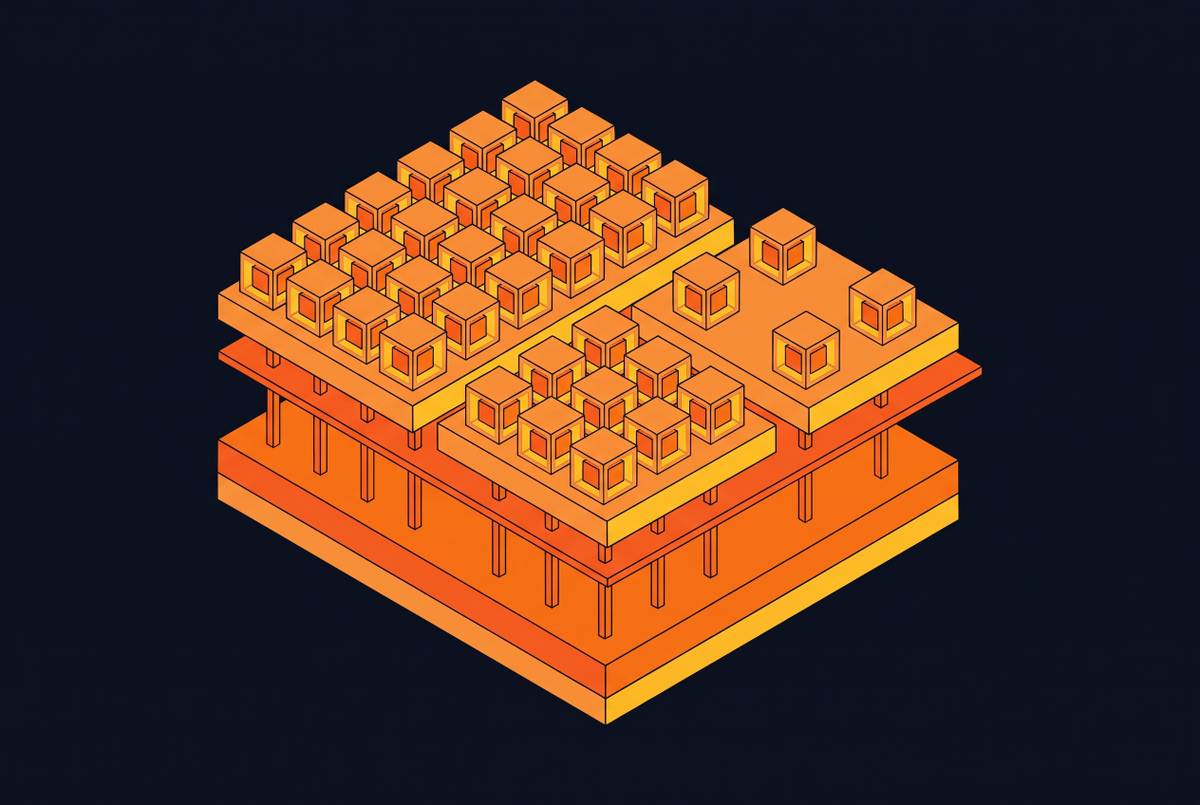
Containers, gVisor, and Firecracker differ most in how much kernel an agent shares.
Demarco Fitch
Containers, gVisor, and Firecracker differ most in how much kernel an agent shares.
Firecracker gives each agent its own kernel; containers share one.
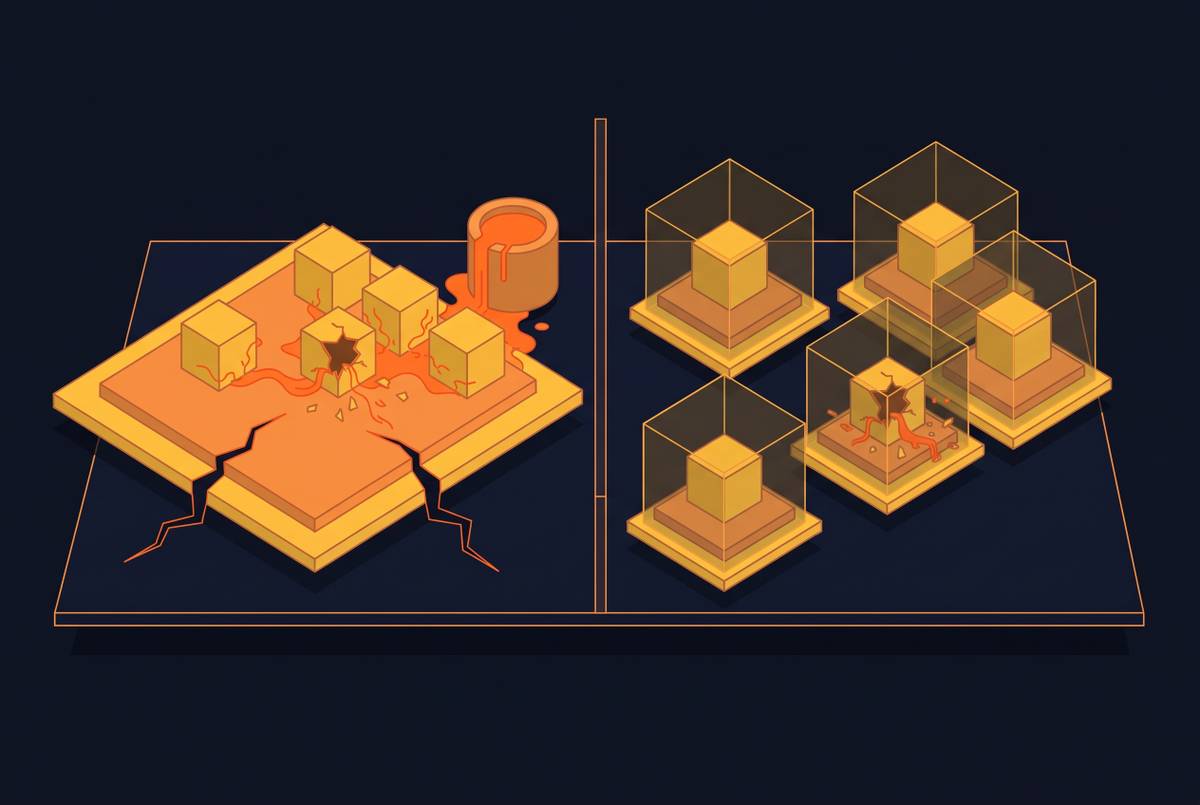
Four shared-infrastructure risks that session isolation alone cannot stop.
Firecracker microVMs give each agent its own kernel, and 2026's kernel escapes show why.
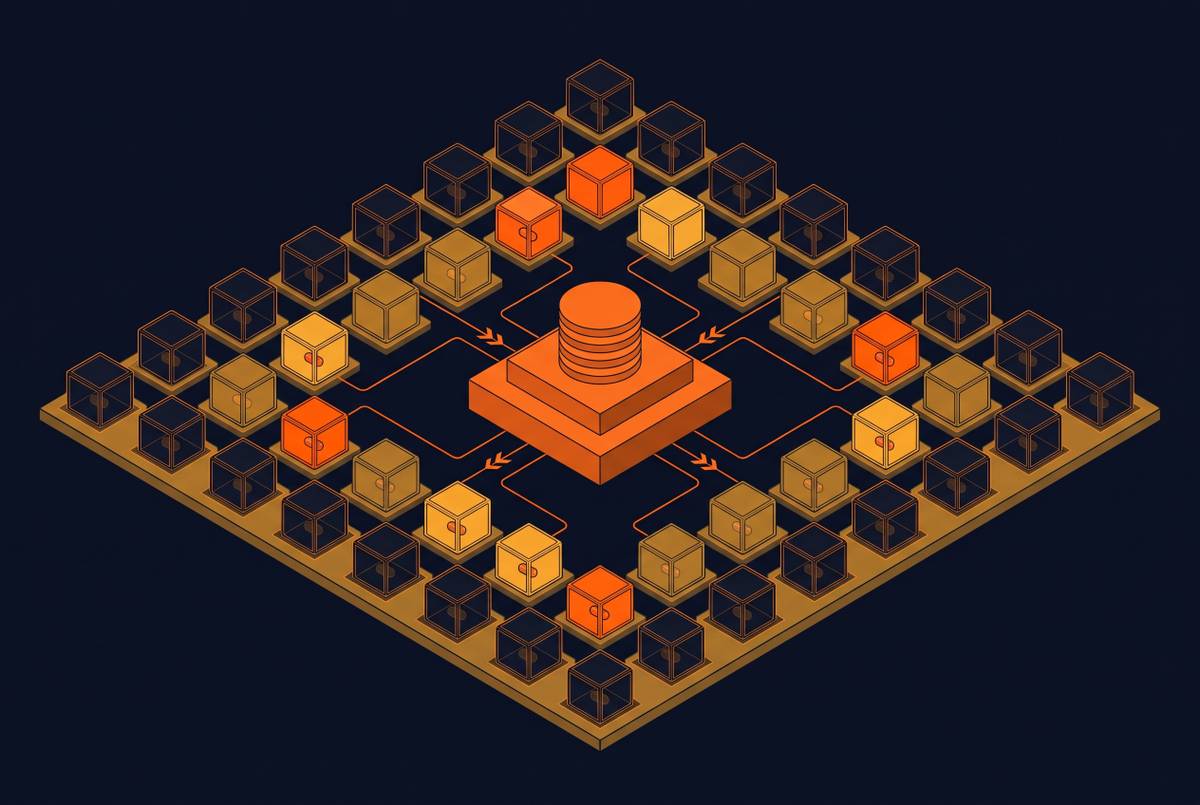
Scheduler design, not raw capacity, sustains hundreds of isolated AI agents.
Firecracker isolates agent kernels but leaves host, egress, and storage gaps uncovered.
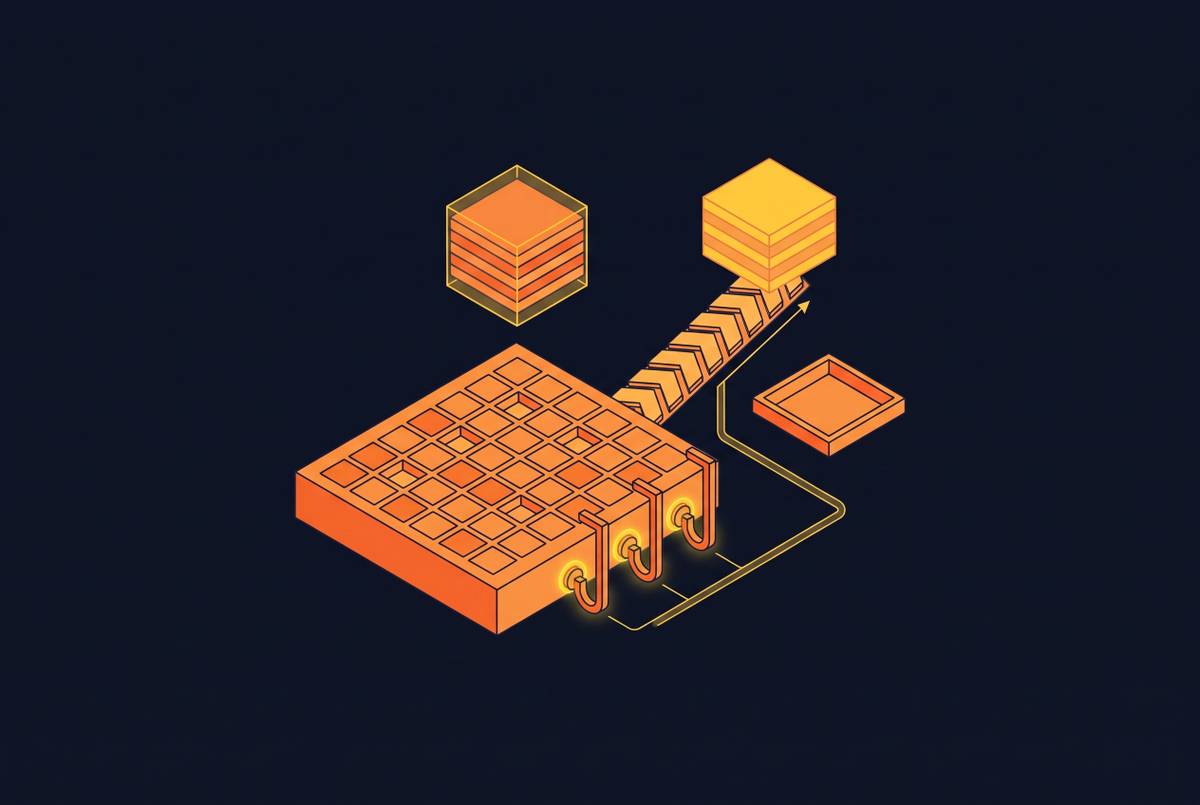
Kernel hooks detect idle agent windows and trigger efficient snapshot-restore cycles.
Persistent AI agents need stateful runtimes, not ephemeral functions designed for stateless work.
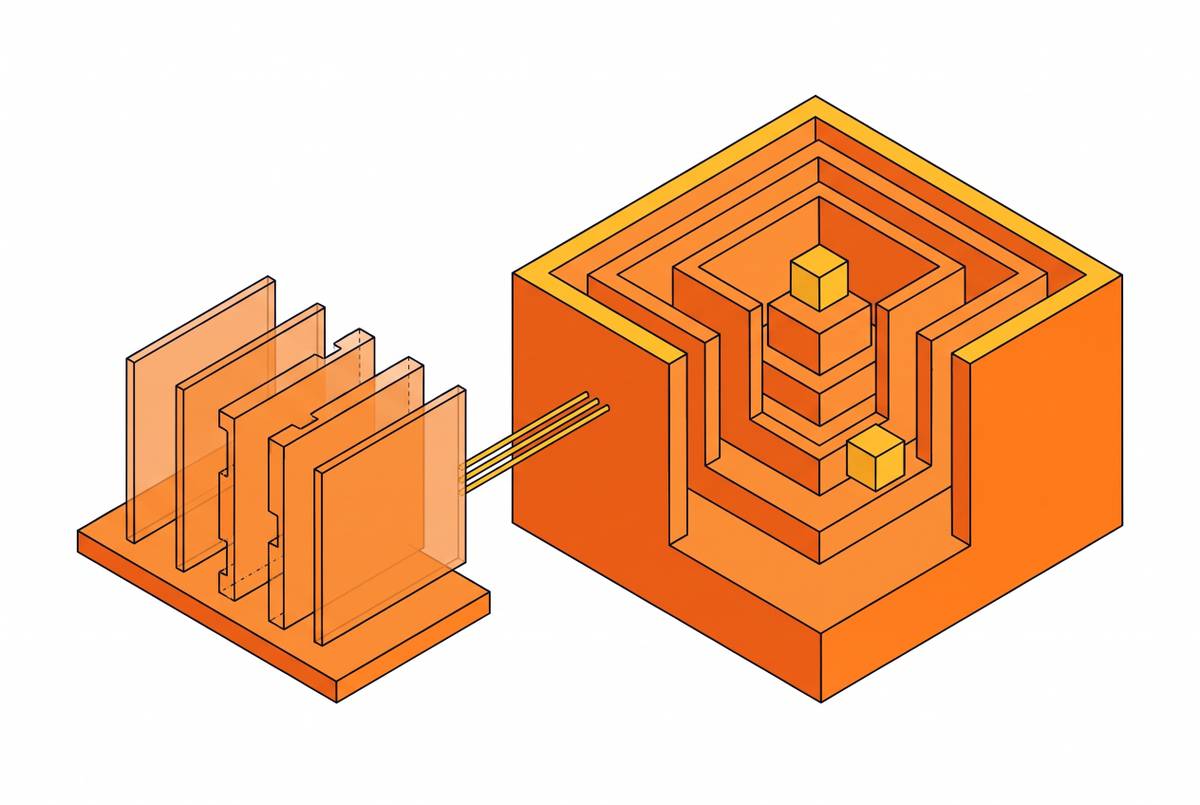
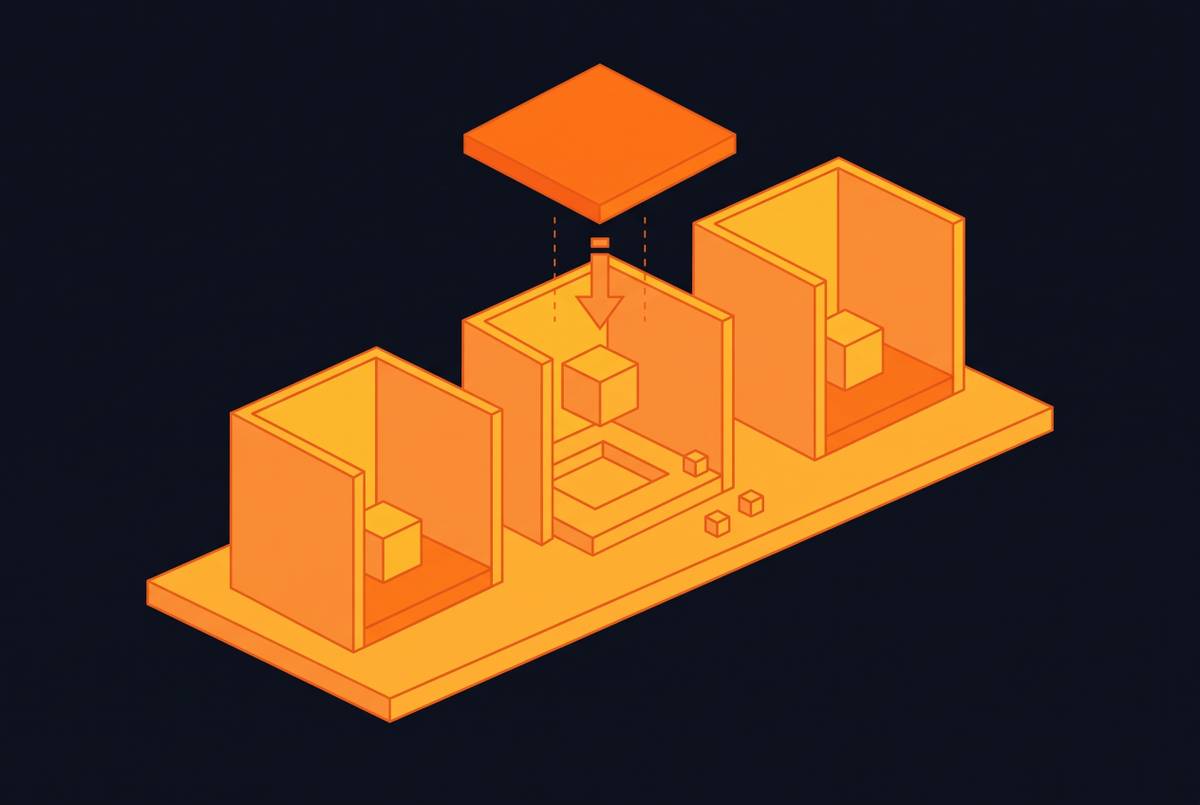
Micro-VM isolation provides the kernel boundary that containers cannot offer hostile agent code.
Firecracker boots each agent with its own isolated kernel instead of sharing the host's.
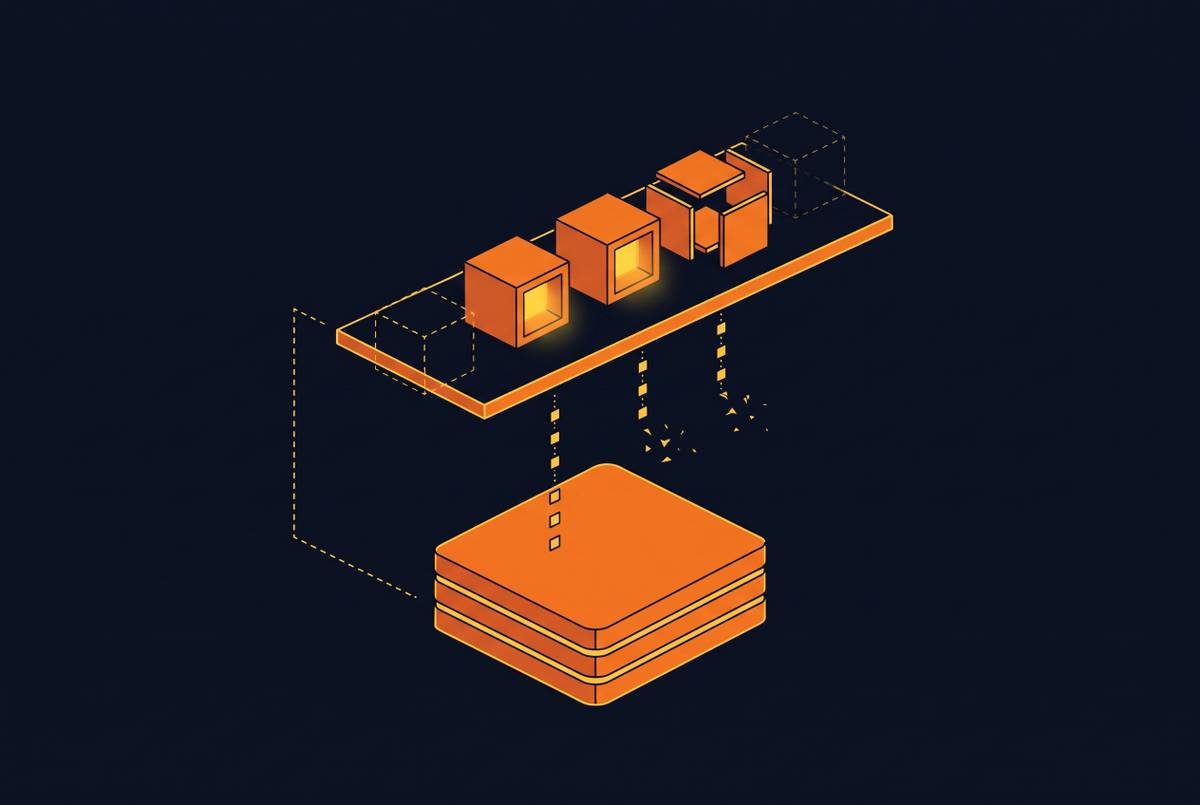
Snapshot-restore cuts idle agent costs by storing state on disk instead of running compute.
Vsock eliminates network dependencies when reconnecting agents after snapshot restore.